
Wine Grapes
How to Buy Wine Grapes: A Buyer's Guide for Wineries and Winemakers
By Andrew L. · Published · 3 min read
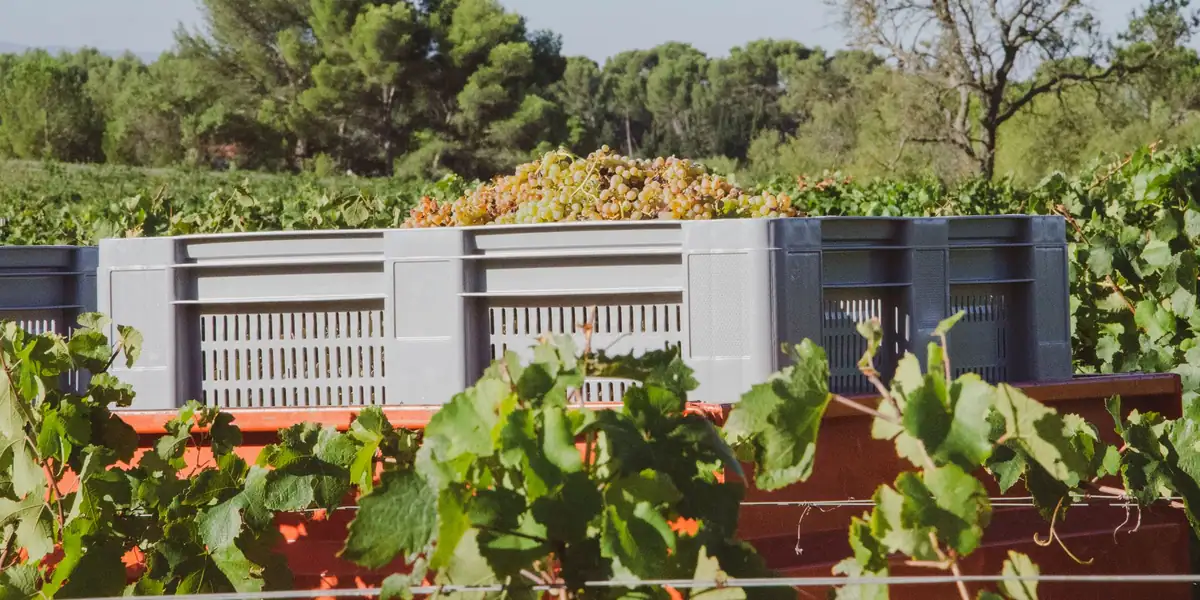
What do wineries look for when they buy wine grapes?
Buying grapes is buying a set of choices a grower has already made: which variety and clone, where it is planted, how it was farmed, and when it will be picked. The more clearly you describe what you want, the faster growers can tell you if they have it.
Step 1: Write your spec
- Variety, and clone if it matters. Cabernet Sauvignon, Chardonnay, Pinot Noir, and so on.
- Region or appellation. Especially if you want the label to name it. On HarvestLink you can filter by region, and regions are listed by county.
- Harvest year.
- Tons. How much you need, and whether you can take part of a block.
- Brix target and range. See what brix means.
- Farming practice. Conventional, sustainable, organic, or biodynamic.
- Harvest method. Hand or machine, and timing.
- Budget. As a price per ton.
Step 2: Compare vineyards on the details that affect quality
HarvestLink grape listings include vineyard details that many classifieds leave out:
| Detail | Why it matters |
|---|---|
| Trellis system | Affects canopy, sun exposure, and ripening |
| Soil type | Influences vigor, water, and vine balance |
| Sun exposure | North, south, east, or west facing changes ripening |
| Slope | Affects drainage, sun angle, and picking method |
| Farming practice | Matters for label claims and buyers who want it |
| Brix target | The grower's expected ripeness at pick |
Ask growers for more when you need it: yield history, spray records, the previous vintage's analysis, or photos of the block.
Step 3: Find growers and lots
You can buy through brokers, directly from growers, through regional grower associations, or through a marketplace. On HarvestLink, browse wine grape lots and filter by variety, region, harvest year, farming practice, tonnage, and price. Some sellers list confidentially, in which case you see the vineyard details and region at the level they chose, but not the name. Set a saved search and get an email digest when a new lot matches.
Step 4: Agree on price and terms
Grapes are priced per ton. Multiply the price per ton by the tons for a rough total, then agree on the terms that change it:
- Fixed tonnage or a range
- Price per ton, and whether it varies with brix
- Harvest window and who decides the pick date
- Who supplies picking crews and hauling
- Weighing and receiving, and how sugar is sampled
- Rejection criteria and what happens to rejected fruit
- Payment terms
Because HarvestLink does not process payments, you and the grower arrange payment and delivery directly. Put it in writing. For structures and pitfalls, read spot vs forward grape contracts.
Step 5: Plan harvest logistics
Picking happens on the vineyard's schedule, not yours. Before harvest, line up:
- Picking: crew or machine, and the start time (often overnight or early morning to keep fruit cool).
- Hauling: bins or gondolas, trucks, and the route to your crush pad.
- Weighing: weigh tags so the tonnage is recorded on the way in.
- Receiving: staff, equipment, and tank space ready when the first load arrives.
- Sampling: a plan to check sugar and condition on arrival.
Step 6: Convert tons to wine
A ton of grapes yields less wine than people expect. Cornell CALS reports a range of about 130 to 180 gallons per ton, uses 150 gallons as a baseline (about 63 cases), and notes that some winemakers plan on a rounder 60 cases per ton. Use the tons to gallons calculator to plan.
Buyer checklist
| Before you commit | Done |
|---|---|
| Spec written (variety, region, harvest year, tons, brix, practice) | |
| Vineyard details reviewed | |
| Samples or prior-year analysis requested | |
| Price per ton and terms agreed in writing | |
| Harvest, hauling, and receiving plan set | |
| Tank space and labor ready |
Start searching
Browse wine grapes for sale, or read the FAQ to see how payment, contact, and confidential listings work. Buying bulk wine instead? Start with what bulk wine is.
See wine grape lots priced per ton, direct from growers.
Frequently asked questions
How many tons of grapes do I need?
Work backward from the wine you want. A ton of grapes typically makes roughly 130 to 180 gallons of wine, with 150 a common planning number. Use the tons-to-gallons calculator to convert your target volume into tons.
What is brix and why does it matter?
Brix measures the sugar in grape juice and is used to decide when to pick and to estimate the alcohol the wine could reach. Buyers often set a brix target or range in the agreement.
Can I buy grapes for home winemaking?
Most HarvestLink lots are commercial quantities measured in tons, and each seller sets their own minimums. Ask the seller whether a smaller purchase is possible.
Do I need a broker?
No. You can buy directly from growers or through a marketplace. Brokers can help with sourcing and contracts, but they are optional.
About HarvestLink
HarvestLink is an online marketplace where wine grape growers, wineries, and wine brands buy and sell wine grapes and bulk wine directly, including confidential listings under NDA.
Educational information, not legal, tax, or financial advice. Confirm permit and licensing requirements with the relevant agencies or a qualified professional.
Sources
- Cornell CALS: Grapes 101, Grapes in a Bottle of Wine (accessed 2026-09-19)