
Buying Bulk Wine
What Is Bulk Wine? A Plain-English Guide for Wineries and Wine Brands
By Andrew L. · Published · 4 min read
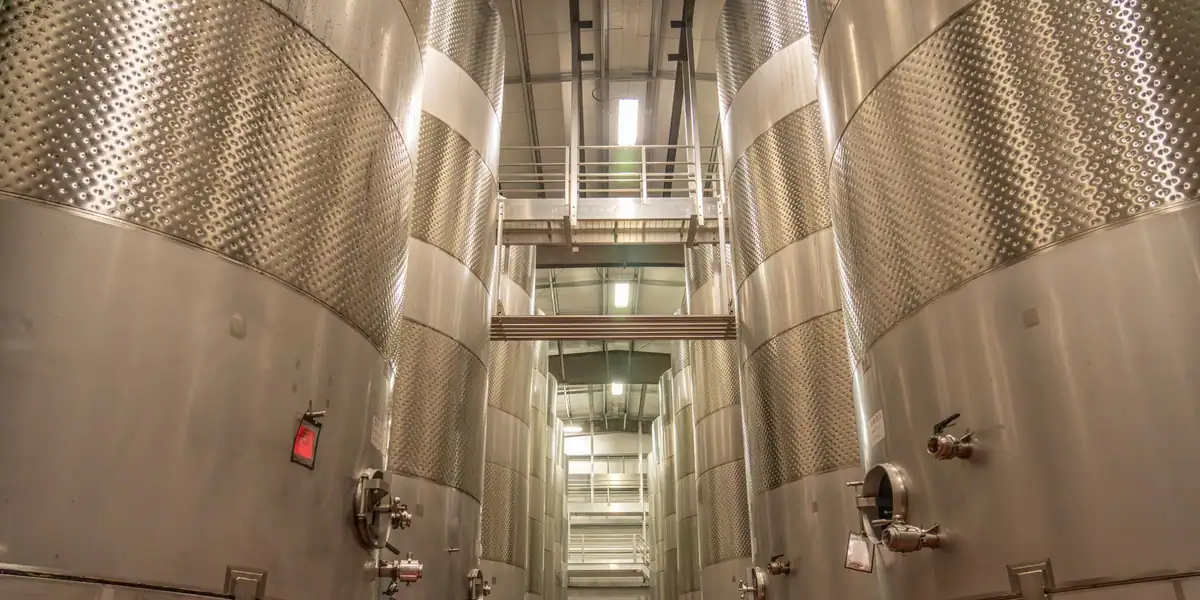
What is bulk wine, and how is it different from bottled wine?
Bulk wine is wine sold in large volumes before it goes into bottles. Instead of buying cases with labels and corks, a buyer buys gallons or liters that sit in a tank, barrel, or tote. The wine is real, finished or close to it, and ready for the buyer's next step.
That next step is what separates bulk wine from the wine on a store shelf. A buyer might blend it with other lots, age it further in oak, or bottle and label it under a new brand. Because the seller is not paying for glass, closures, labels, or packaging, the sale is priced on the wine itself, per gallon.
Bulk wine is a trade product. Most buyers are wineries, wine brands, private label companies, and co-packers, and the sales usually happen between licensed businesses.
Why does bulk wine exist?
Wineries end up with more wine than they plan to bottle for many ordinary reasons:
- A big harvest. A large vintage can produce more wine than a winery can sell under its own labels.
- Tank space. Wine takes up expensive space. Selling a lot frees tanks for the next harvest.
- Blending decisions. A lot that does not make a top blend can still be excellent wine.
- Cash flow and inventory. Selling in bulk turns wine into cash without bottling costs.
- Brand protection. Some producers prefer to sell certain lots without their name attached. That is why confidential listings under NDA exist.
On the buying side, new brands can launch without owning a vineyard or winery, and established wineries can top up a blend or fill a gap in a vintage.
How is bulk wine stored and moved?
| Container | What it is | Typical use |
|---|---|---|
| Stainless steel tank | Large fixed vessel | Storing and blending large lots |
| Oak barrel | A standard barrique is 225 liters, about 59.4 US gallons | Aging, small lots |
| Tote (IBC) | Portable food-grade container | Smaller lots, easy transport |
| Tanker truck | Insulated tank on a truck | Moving large lots by road |
| Flexitank | Flexible bag inside a shipping container | Moving lots long distance |
Barrel math is simple: 225 liters divided by 3.785 liters per US gallon is about 59.4 gallons.
How is bulk wine measured and priced?
Bulk wine is priced per gallon in the United States, and per liter in much of the world. A lot of 10,000 gallons at $6 per gallon has a total lot value of $60,000. Every HarvestLink bulk wine listing shows the price per gallon and the total lot value, so you can compare lots on the same basis.
Price depends on the varietal, the vintage, the appellation, the quality of the wine, farming practices, quantity, and market conditions. When you compare quotes, check what the price includes. FOB (free on board) means the buyer pays to move the wine from the seller's location. Delivered means transport is included.
What should a good bulk wine listing show?
A useful listing gives you enough to decide whether to ask for a sample:
- Varietal and vintage (or a note that it is a multi-vintage blend)
- Appellation or grape origin
- Alcohol by volume (ABV)
- Total sulfites in parts per million (ppm)
- Quantity in gallons and price per gallon
- Where the wine is stored
- Farming practices, such as organic or biodynamic (see what those labels mean)
Every one of these is a field on HarvestLink bulk wine listings, and you can filter by them.
Who can buy bulk wine?
In the United States, making, blending, or bottling wine commercially generally requires federal permission from the Alcohol and Tobacco Tax and Trade Bureau (TTB) and state licensing. TTB explains that anyone wishing to operate a wine premises must first apply and receive permission before starting operations. Wine that has not yet had federal excise tax paid is usually held on bonded premises.
The details depend on who you are and what you plan to do with the wine, so confirm your requirements with TTB, your state agency, or a qualified professional before you buy. This is general information, not legal advice.
Bulk wine glossary
- Bulk wine: wine sold by volume before bottling.
- Tank lot: a lot sold from a single tank, often thousands of gallons.
- ABV: alcohol by volume, the percentage of the liquid that is alcohol.
- Total SO₂: total sulfur dioxide, the measure of sulfites in the wine (see sulfites explained).
- Volatile acidity (VA): acetic acid and related compounds that can spoil taste when high.
- In bond: wine held on bonded premises before federal excise tax is paid.
- Taxpaid: wine on which federal excise tax has been paid.
- FOB: free on board, meaning the buyer arranges and pays for transport from the seller.
- Declassified wine: wine that did not go into a winery's top wine or a specific appellation label but is often still very good.
- Custom crush: a facility that makes wine for a client who owns the grapes or brand.
- COLA: Certificate of Label Approval, the federal approval a label needs before certain wines are sold across state lines.
- Négociant: a company that buys grapes or wine and sells it under its own brand.
Where to find bulk wine
Bulk wine is sold through brokers, directly by wineries, and through marketplaces. On HarvestLink, sellers list lots with the details above, and you contact them through the site. Payment, samples, and delivery are arranged directly between you and the seller. Set up a saved search and HarvestLink emails you when a new lot matches.
Ready to buy? Read how to buy bulk wine for a step-by-step process.
See bulk wine lots priced per gallon, including confidential listings.
Frequently asked questions
Is bulk wine the same as box wine?
No. Box wine is a finished consumer product sold in a bag inside a carton. Bulk wine is a trade product sold by the gallon before packaging, and it is usually bought by wineries and brands, not shoppers.
Is bulk wine lower quality than bottled wine?
Not by definition. Bulk wine is simply wine that has not been bottled yet. Quality ranges from everyday blending wine to wine from premium appellations, so judge each lot by samples and lab analysis.
Can I buy just one barrel?
Sometimes. A standard 225 liter barrel holds about 59 gallons, and some sellers will sell single barrels or partial lots. Minimums are set by each seller, so ask before assuming.
What is the difference between bulk wine and grape juice?
Bulk wine has already fermented, so its sugar has been turned into alcohol. Grape juice or must has not fermented. Juice is sold and used differently, and it is not what bulk wine listings describe.
About HarvestLink
HarvestLink is an online marketplace where wine grape growers, wineries, and wine brands buy and sell wine grapes and bulk wine directly, including confidential listings under NDA.
Educational information, not legal, tax, or financial advice. Confirm permit and licensing requirements with the relevant agencies or a qualified professional.
Sources
- TTB: Wine permits and premises (accessed 2026-09-19)
- TTB: Wine labeling, alcohol content (accessed 2026-09-19)