
Wine Basics
How Is Wine Made? The Winemaking Process Step by Step
By Andrew L. · Published · 3 min read
What are the basic steps of making wine?
- Harvest ripe grapes
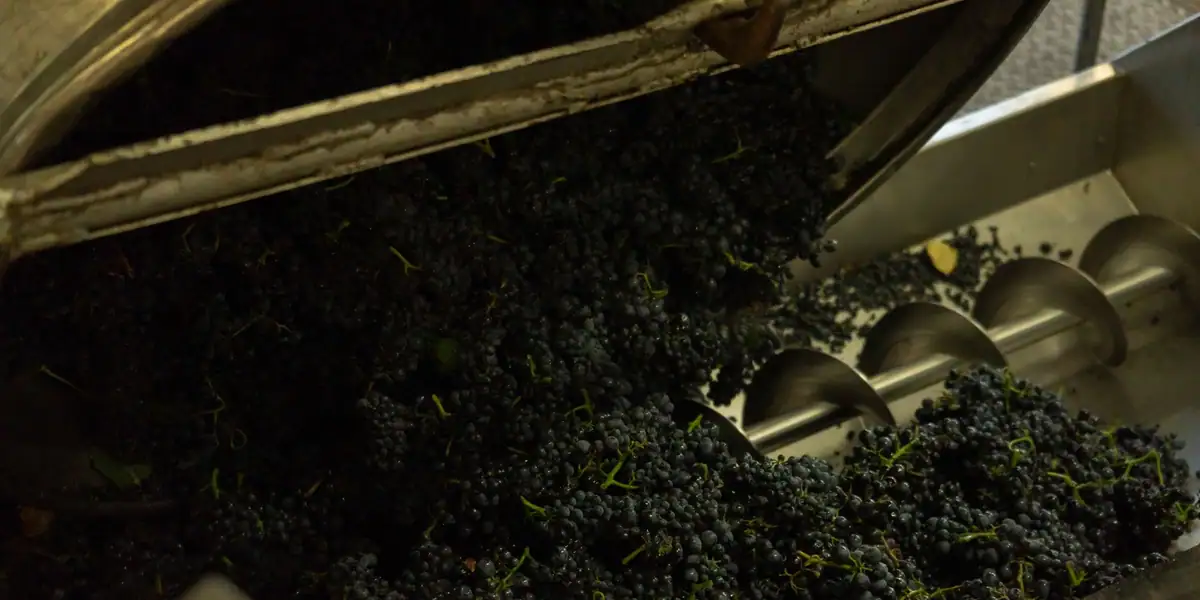
- Sort, crush, and destem
- Ferment the sugar into alcohol
- Press and separate the wine from the skins
- Age the wine in tanks or barrels
- Clarify and stabilize
- Blend
- Bottle
Every winemaker adjusts these steps for the grape, the season, and the style they want, but nearly all wine follows this outline.
Step 1: How do winemakers decide when to harvest?
Timing is one of the biggest decisions of the year. Winemakers watch several things:
- Sugar, measured in brix, which predicts the alcohol
- Acidity and pH, which shape freshness and stability
- Flavor and texture, judged by tasting berries
- Weather, since rain or heat can force an early pick
Grapes are picked by hand or by machine, often at night or early morning to keep the fruit cool.
Step 2: What happens at the crush pad?
Grapes are sorted to remove leaves and damaged fruit. They are then crushed, breaking the skins so juice flows, and usually destemmed. Red grapes go into fermenters with their skins. White grapes are typically pressed right away to separate the juice. The difference is explained in red wine vs white wine.
Step 3: How does fermentation turn juice into wine?
Yeast eats the sugar in the juice and produces alcohol and carbon dioxide. That is fermentation. It usually takes one to a few weeks, and winemakers control the temperature because heat speeds it up and cooler temperatures preserve delicate aromas.
- Native yeast comes from the grapes and the winery.
- Cultured yeast is a selected strain added for predictable results.
When the yeast has consumed all or nearly all of the sugar, the wine is dry.
Step 4: What is pressing?
Pressing squeezes the liquid out of the solids. In white winemaking it happens before fermentation. In red winemaking it happens after, when the wine is drained off and the skins are pressed. Gentle pressing produces cleaner wine but less volume.
Step 5: What is malolactic fermentation?
After the main fermentation, many wines go through a second one, in which bacteria convert malic acid (sharp, like a green apple) into lactic acid (softer, like milk). It is almost standard for red wines and used selectively in whites.
Step 6: How is wine aged?
The young wine rests in stainless steel tanks or oak barrels. Stainless steel keeps the wine fresh and neutral. Oak adds flavor and lets a tiny amount of oxygen in, which softens the wine. A standard barrel holds 225 liters, about 59 gallons. During aging, winemakers rack the wine, moving it off the sediment into a clean container, and taste it regularly.
Step 7: How is wine clarified and stabilized?
Wine that is clear and stable in the bottle needs some help. Winemakers may fine the wine (add a substance that binds unwanted particles), filter it, and chill it so tartrate crystals form before bottling instead of after. They also check and adjust the level of sulfur dioxide, which protects the wine from spoilage and oxidation. See sulfites in wine.
Step 8: What is blending?
Winemakers often combine wines from different varieties, vineyards, or barrels to build the final wine. Blending can make a wine more balanced or more consistent from year to year. Lots that do not make the final blend are sometimes sold in bulk to other wineries and brands. See what bulk wine is.
Step 9: What happens at bottling?
The finished wine is filtered if needed and put into bottles, sealed with a cork or another closure, and labeled. Some wines are released soon after. Others rest in bottle for months or years first. Before a wine goes on sale, its label must comply with rules, including the alcohol content statement. See how much alcohol is in wine.
How long does it take?
| Wine type | Typical time from harvest to release |
|---|---|
| Simple, fresh white or rosé | A few months |
| Oaked white | Six months to a year |
| Many reds | One to two years or more |
| Sparkling and long-aged wines | Several years |
Where does HarvestLink fit?
Wineries buy grapes and bulk wine at different stages of this process. HarvestLink lists wine grapes by the ton and bulk wine by the gallon, so a winemaker can source what they need, or a grower or winery can sell what they do not.
See wine grape lots priced per ton, direct from growers.
Frequently asked questions
How long does it take to make wine?
Fermentation usually takes one to a few weeks. Simple white wines can be bottled within months of harvest, while many reds are aged for a year or more before release.
Does wine need added yeast?
Not always. Grapes carry natural yeast, and some winemakers rely on it. Many add a selected cultured yeast for consistent results. Both approaches make wine.
Why is wine aged in oak?
Oak barrels let a tiny amount of oxygen in and add flavors such as vanilla and spice, and they soften tannin. Winemakers also use stainless steel when they want to keep fresh fruit character.
What is malolactic fermentation?
It is a second fermentation in which bacteria convert sharp malic acid into softer lactic acid. It is common in reds and in some whites such as many Chardonnays.
About HarvestLink
HarvestLink is an online marketplace where wine grape growers, wineries, and wine brands buy and sell wine grapes and bulk wine directly, including confidential listings under NDA.
Educational information, not legal, tax, or financial advice. Confirm permit and licensing requirements with the relevant agencies or a qualified professional.