
Wine Basics
Red Wine vs White Wine: How They Are Made Differently
By Andrew L. · Published · 4 min read
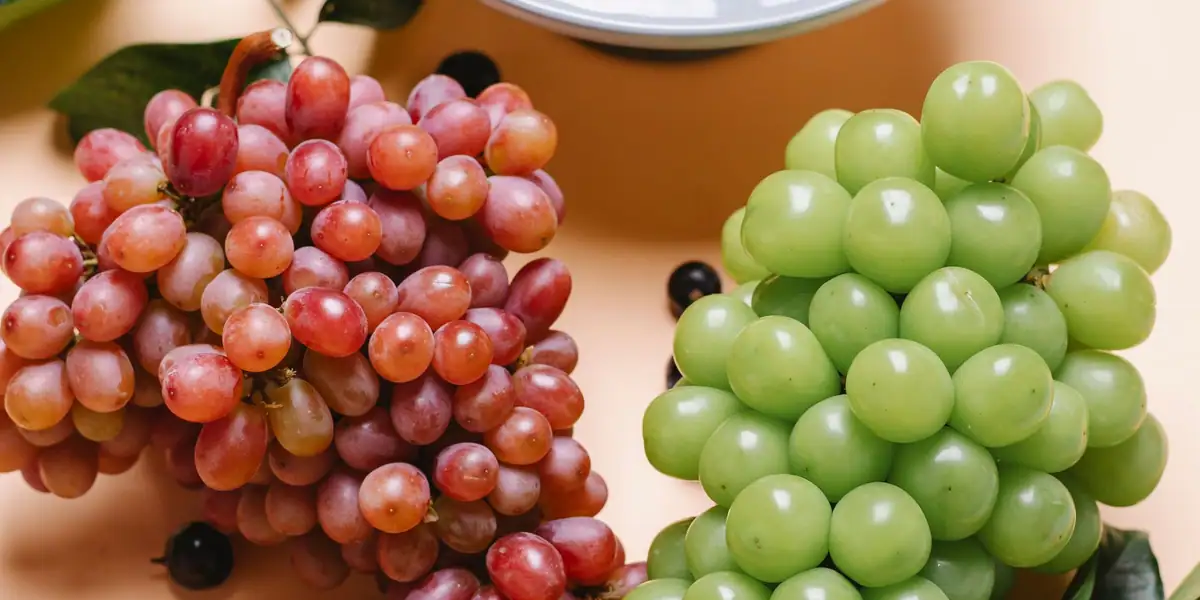
What is the real difference between red and white wine?
It is not grape color. It is what happens to the skins. Red wine is made by fermenting crushed grapes together with their skins. White wine is usually made by pressing the grapes first and fermenting only the juice.
Almost all grape juice, even from red grapes, is clear or pale. The color and most of the tannin in red wine come from the skins during fermentation.
How is red wine made?
- Harvest and sort. Grapes are picked and checked for quality.
- Crush and destem. Berries are broken open, and stems are usually removed.
- Ferment on the skins. Yeast turns sugar into alcohol. The skins float to the top as carbon dioxide forms, so winemakers push them down or pump juice over them so color, flavor, and tannin are extracted. This step is called maceration.
- Press. After fermentation, the wine is drained off and the skins are pressed to recover more liquid.
- Malolactic fermentation. Most red wines go through a second fermentation in which bacteria convert sharp malic acid to softer lactic acid.
- Age. In tanks or oak barrels, for months to years.
- Blend, clarify, and bottle.
How is white wine made?
- Harvest. White grapes are often picked earlier or cooler to keep freshness.
- Press first. Grapes are pressed, sometimes whole cluster, to separate juice from skins, and the juice is settled or clarified.
- Ferment as juice. Usually at cooler temperatures than reds to keep fruit aromas. Many whites ferment in stainless steel, and some in oak.
- Optional malolactic fermentation. Common in styles such as many Chardonnays, and avoided in styles that should stay crisp.
- Age briefly or longer. Many whites are aged for months, some on their lees (the spent yeast) for texture.
- Filter and bottle.
Side by side
| Red wine | White wine | |
|---|---|---|
| Skins during fermentation | Yes | Usually no |
| Main source of color | Skins | Little or none |
| Tannin | Higher | Lower |
| Press | After fermentation | Before fermentation |
| Fermentation temperature | Generally warmer | Generally cooler |
| Malolactic fermentation | Usually | Sometimes |
| Oak | Common | Sometimes |
What about rosé and orange wine?
- Rosé is usually red grapes with a short skin contact before pressing, so the wine picks up a little color.
- Orange wine is white grapes fermented on their skins, which adds color, texture, and tannin.
- Sparkling wine often uses both red and white grapes, pressed quickly to keep the juice clear.
So the style is decided by the winemaker's process, not just the grape.
How do winemakers extract color and tannin from red grapes?
When red grapes ferment on their skins, carbon dioxide pushes the skins to the top and forms a cap. Winemakers manage the cap because that is where extraction happens. Common techniques:
- Punch-downs. Pushing the cap down into the fermenting juice, by hand or with a machine.
- Pump-overs. Pumping juice from the bottom of the tank over the top of the cap.
- Rack and return. Draining the juice off and pouring it back over the skins.
- Cold soak. Holding crushed grapes cool before fermentation starts to draw out color and flavor.
- Extended maceration. Leaving the wine on the skins after fermentation to build structure.
More extraction means darker, more tannic wine. Less extraction means lighter and softer wine. The winemaker chooses based on the grape and the style.
What are some common myths?
- "Red wine is made from red juice." Most red grape juice is pale. The color comes from the skins.
- "White wine comes only from white grapes." Red grapes pressed quickly can make white or very pale wine.
- "Rosé is a blend of red and white wine." Most rosé is made from red grapes with brief skin contact. Blending is uncommon for still rosé in most regions.
Why does this matter if you buy grapes or bulk wine?
Reds and whites are handled differently at every stage, which affects yield, timing, and cost. A ton of grapes gives different volumes of wine depending on the press and the style, as explained in gallons of wine per ton of grapes. Buyers of bulk wine should also ask whether malolactic fermentation is finished and whether the wine is stable. See how to buy bulk wine.
For the full sequence from harvest to bottle, read how wine is made. To shop, browse bulk wine or wine grapes by variety.
See bulk wine lots priced per gallon, including confidential listings.
Frequently asked questions
Can you make white wine from red grapes?
Yes. Most of the color in red grapes is in the skin, not the juice. If the juice is pressed off quickly and fermented without the skins, the wine can be white or pale. Many sparkling wines use red grapes this way.
How is rosé made?
Rosé is usually made from red grapes with a short time on the skins, from a few hours to a day or so, before the juice is pressed off and fermented like a white wine.
Why do red wines have more tannin?
Tannin comes from grape skins, seeds, and stems, and from oak aging. Red wine ferments with the skins and seeds, so it extracts far more tannin than white wine, which is fermented without them.
Are white wines always cold-fermented?
Usually cooler than reds, because cooler fermentation preserves fresh fruit aromas. Some white wines, such as barrel-fermented Chardonnay, are made differently.
About HarvestLink
HarvestLink is an online marketplace where wine grape growers, wineries, and wine brands buy and sell wine grapes and bulk wine directly, including confidential listings under NDA.
Educational information, not legal, tax, or financial advice. Confirm permit and licensing requirements with the relevant agencies or a qualified professional.