
Farming and Regions
What Is Terroir, and Does It Really Matter in Wine?
By Andrew L. · Published · 3 min read
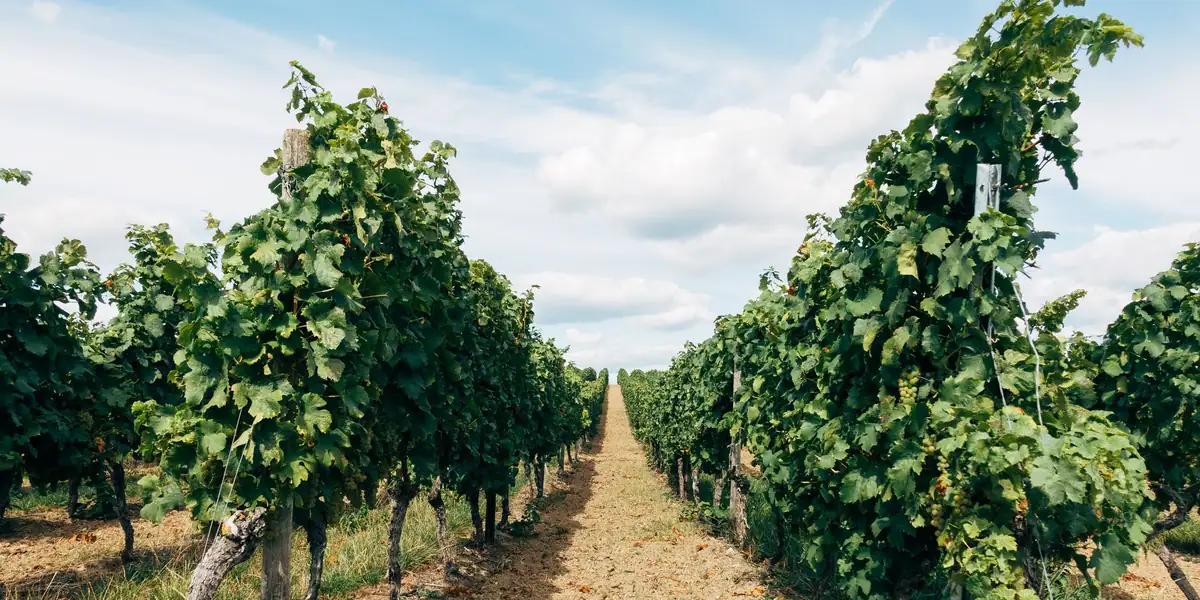
What does terroir mean?
Terroir (say "tair-WAHR") is a French word for the way a wine reflects where it was grown. It covers more than dirt. It includes the soil, the shape of the land, the climate, the local plants and animals, and the choices people make in the vineyard and the winery.
The International Organisation of Vine and Wine (OIV) adopted an official definition in 2010. In the OIV's words, vitivinicultural terroir is a concept that refers to an area in which collective knowledge of the interactions between the identifiable physical and biological environment and applied vitivinicultural practices develops, providing distinctive characteristics for the products originating from this area. It says terroir includes specific soil, topography, climate, landscape characteristics, and biodiversity features.
What are the parts of terroir?
| Part | What it does |
|---|---|
| Climate | Sets temperature, sunshine, rain, and the length of the growing season |
| Topography | Elevation, slope, and sun exposure change how much heat and light vines get |
| Soil | Affects drainage, water available to the vine, and vigor |
| Biodiversity | Cover crops, insects, and microbes in and around the vineyard |
| People | Variety and clone choice, trellis, pruning, farming, and winemaking |
The last item matters. The OIV definition includes human practices, which is why two neighbors on similar land can make different wines.
Does terroir really matter?
Some of it is well established. A cooler site ripens grapes more slowly and preserves acid. A hot site ripens fruit quickly and raises sugar. A slope that faces the afternoon sun ripens differently than one that faces away. Soil affects how much water a vine can reach, which influences vigor and berry size. These are real, measurable effects on the grapes.
Other claims are more contested. Wine writers often say a wine tastes of a specific mineral in the soil. Researchers continue to debate how directly soil chemistry shows up in the glass. The safer way to think about it is that site and climate clearly matter, and the exact path from soil to flavor is less certain.
Is terroir the same as an appellation?
No. In the United States, an American Viticultural Area (AVA) is a legally defined geographic name that can appear on a label. Terroir is a descriptive idea about how place, plants, and practices interact. The OIV specifically wrote its definition to keep the descriptive idea separate from the legal definition of a geographical indication.
An appellation tells you where the grapes came from. It does not guarantee quality, and it does not tell you about the specific vineyard, soil, or farming.
Why does terroir matter to buyers?
If you buy grapes or bulk wine, you want to know what made the fruit what it is. That is why the useful details are the ones tied to the site:
- Region or appellation
- Trellis system
- Soil type
- Sun exposure
- Slope
- Farming practice, such as organic or biodynamic (see what the labels mean)
HarvestLink grape listings include these fields, and you can filter by them on the wine grapes page. For an example of a region known for a strong identity, read why Napa Valley wine is special.
Can a wine taste the same everywhere?
A grower can make consistent wine from a large area by blending, but a single vineyard tends to produce a recognizable character. Some buyers pay more for that. Others want blending flexibility. Neither is wrong. What helps is knowing what you are buying.
What to do next
If terroir matters to your wine, ask the grower about the block: elevation, slope, exposure, soil, and farming history. Read how to buy wine grapes for a checklist, and browse grape lots by region.
See wine grape lots priced per ton, direct from growers.
Frequently asked questions
Does terroir really matter?
Yes, in the sense that site and climate strongly affect how grapes ripen and taste. Where the effect comes from and how much of it a person can taste is debated, especially claims about specific soil minerals.
Is terroir the same as an appellation?
No. An appellation, such as an American Viticultural Area, is a legally defined geographic name. Terroir is a broader idea about the interaction of place, plants, and people. The two are related but not the same.
Does terroir only apply to Old World wine?
No. The word is French, but the idea applies to any wine region. New World regions use it too, including California, Oregon, and Washington.
How can buyers use terroir information?
Look at the vineyard facts that influence ripening: region, elevation and slope, sun exposure, soil type, trellis, and farming practice. HarvestLink grape listings include many of these fields.
About HarvestLink
HarvestLink is an online marketplace where wine grape growers, wineries, and wine brands buy and sell wine grapes and bulk wine directly, including confidential listings under NDA.
Educational information, not legal, tax, or financial advice. Confirm permit and licensing requirements with the relevant agencies or a qualified professional.
Sources
- OIV: Definition of vitivinicultural terroir (Resolution OIV/VITI 333/2010) (accessed 2026-09-19)