
Farming and Regions
What Makes Napa Valley Wine So Special?
By Andrew L. · Published · 4 min read
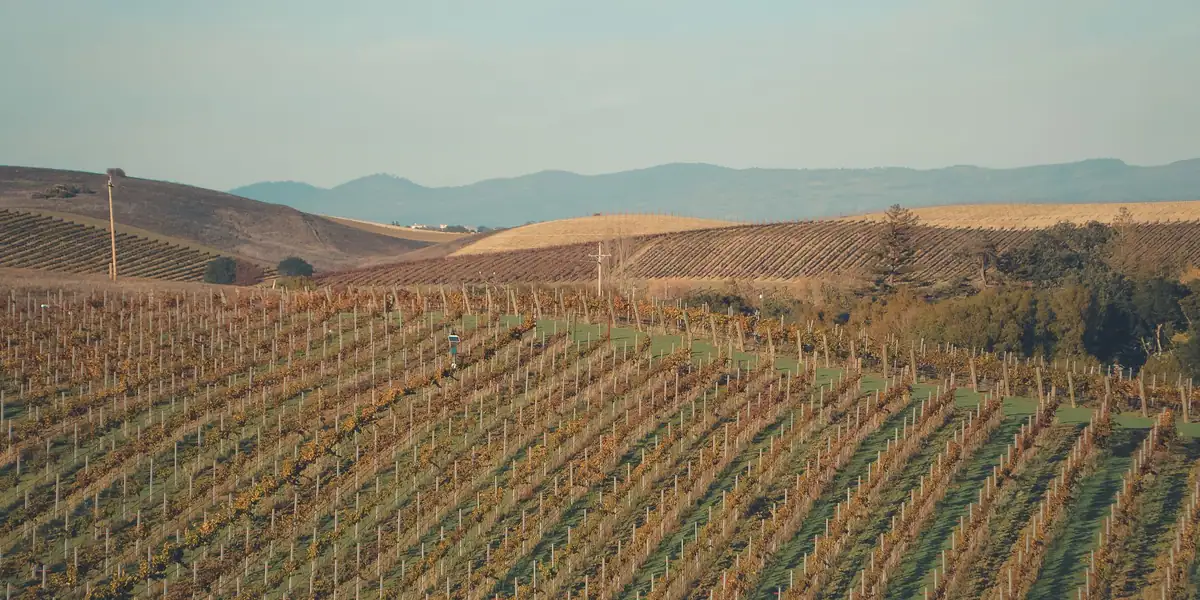
Why is Napa Valley famous?
Napa Valley is the best-known wine region in the United States, and the reasons are a mix of geography, focus, and history. It is also small. The valley floor is only about 30 miles long and 5 miles across at its widest, according to Napa Valley Vintners, with elevations from sea level to about 2,600 feet.
What makes the climate and land special?
The valley has a dry Mediterranean climate, with warm, dry growing seasons and cooler nights. Napa Valley Vintners notes that this climate type covers only about 2 percent of the Earth's surface. Within the valley, the range of elevation, slope, and exposure gives growers many different growing conditions in a short distance. That variety is part of why the valley is divided into 17 approved sub-appellations, such as Oakville, Rutherford, Stags Leap District, and Howell Mountain, each with its own character. For the idea behind that, read what terroir is.
Why is Cabernet Sauvignon so important in Napa?
Napa built its reputation on Cabernet Sauvignon. Napa Valley Vintners reports about 25,000 acres of it, roughly 54 percent of the valley's plantings. Chardonnay is next at about 12 percent, followed by Merlot, Sauvignon Blanc, and Pinot Noir. The concentration on one variety helps give the region a recognizable identity.
How did Napa get its reputation?
The Napa Valley AVA was established in 1981. Earlier, in 1976, a blind tasting in Paris in which California wines placed ahead of well-known French wines drew worldwide attention, and it is widely credited with raising the profile of California wine. Since then, the valley has built a reputation for quality, and for a wine country experience that draws many visitors.
Is Napa a large producer?
No, and that matters for buyers. Napa Valley Vintners says only about 4 percent of California's wine grape harvest comes from the valley, and the valley represents about 0.4 percent of the world's wine production. There are more than 500 wineries in Napa County, and about 95 percent of Napa Valley wineries are family-owned. A small supply and a strong reputation help explain why Napa grapes and wine are priced at a premium.
What does this mean if you buy Napa grapes or bulk wine?
- Be precise about the appellation. "Napa County," "Napa Valley," and a sub-appellation such as Oakville are different things, and label rules apply to each.
- Compare on the same basis. Price per ton (grapes) or per gallon (bulk wine), plus vintage, farming practice, and quality.
- Ask for documentation. If you plan to name an appellation on a label, the lot has to support the claim.
- Consider confidential lots. Established producers sometimes sell surplus or declassified lots without attaching their name. Read how NDA listings work.
On HarvestLink, regions are listed by county, so you can filter grape and bulk wine listings by Napa County and compare them. Browse wine grapes from Napa County or bulk wine, and set a saved search to hear about new lots.
What are the sub-appellations of Napa Valley?
Napa Valley Vintners counts 17 approved sub-appellations inside the Napa Valley AVA. The list below follows the commonly published set, so check the current official list before you rely on it for a label:
| Sub-appellation | Sub-appellation |
|---|---|
| Atlas Peak | Los Carneros |
| Calistoga | Mount Veeder |
| Chiles Valley | Oak Knoll District of Napa Valley |
| Coombsville | Oakville |
| Crystal Springs of Napa Valley | Rutherford |
| Diamond Mountain District | Spring Mountain District |
| Howell Mountain | St. Helena |
| Stags Leap District | Wild Horse Valley |
| Yountville |
Each has its own combination of elevation, soil, and exposure. Mountain sub-appellations such as Howell Mountain and Spring Mountain District sit higher than the valley floor sites such as Oakville and Rutherford, and growers and winemakers often describe their wines differently. Whether you notice those differences in the glass, and how much they are worth to your brand, is for you to judge by tasting.
How does Napa compare with other California regions?
California has many wine regions, and each has its own strengths. Sonoma County, just west of Napa, is larger and grows a wide mix of grapes, including Pinot Noir, Chardonnay, and Zinfandel. The Central Coast, Paso Robles, Lodi, and the Central Valley all grow large volumes of wine grapes at a range of price points. If you are comparing, look at the same variety, the same vintage, and the same basis for price. HarvestLink lists regions by county so you can filter and compare.
Is Napa Valley worth it?
It depends on your goal. If you are building a brand where the appellation is the story, Napa can be worth the premium. If you want the best value for a blend or a second label, other regions may serve you better. The right answer comes from tasting the actual lot and knowing your margins.
See wine grape lots priced per ton, direct from growers.
Frequently asked questions
Is Napa Valley the biggest wine region in California?
No. According to Napa Valley Vintners, only about 4 percent of California's wine grape harvest comes from Napa Valley. Its fame comes from quality and reputation, not volume.
What grape is Napa Valley known for?
Cabernet Sauvignon. Napa Valley Vintners reports that it makes up about 54 percent of the valley's planted acreage, well ahead of Chardonnay, Merlot, Sauvignon Blanc, and Pinot Noir.
Is Napa County the same as Napa Valley?
Not exactly. Napa Valley is an American Viticultural Area inside Napa County. Some county land falls outside the valley appellation, so check the exact appellation on a listing.
Are Napa Valley grapes more expensive?
Napa grapes have long sold for more than fruit from most other California regions, which is why buyers look closely at region and appellation when they compare price per ton.
About HarvestLink
HarvestLink is an online marketplace where wine grape growers, wineries, and wine brands buy and sell wine grapes and bulk wine directly, including confidential listings under NDA.
Educational information, not legal, tax, or financial advice. Confirm permit and licensing requirements with the relevant agencies or a qualified professional.
Sources
- Napa Valley Vintners: Napa Valley fast facts (accessed 2026-09-19)
- Wikipedia: Napa Valley AVA (accessed 2026-09-19)
- Wikipedia: Judgment of Paris (wine) (accessed 2026-09-19)